
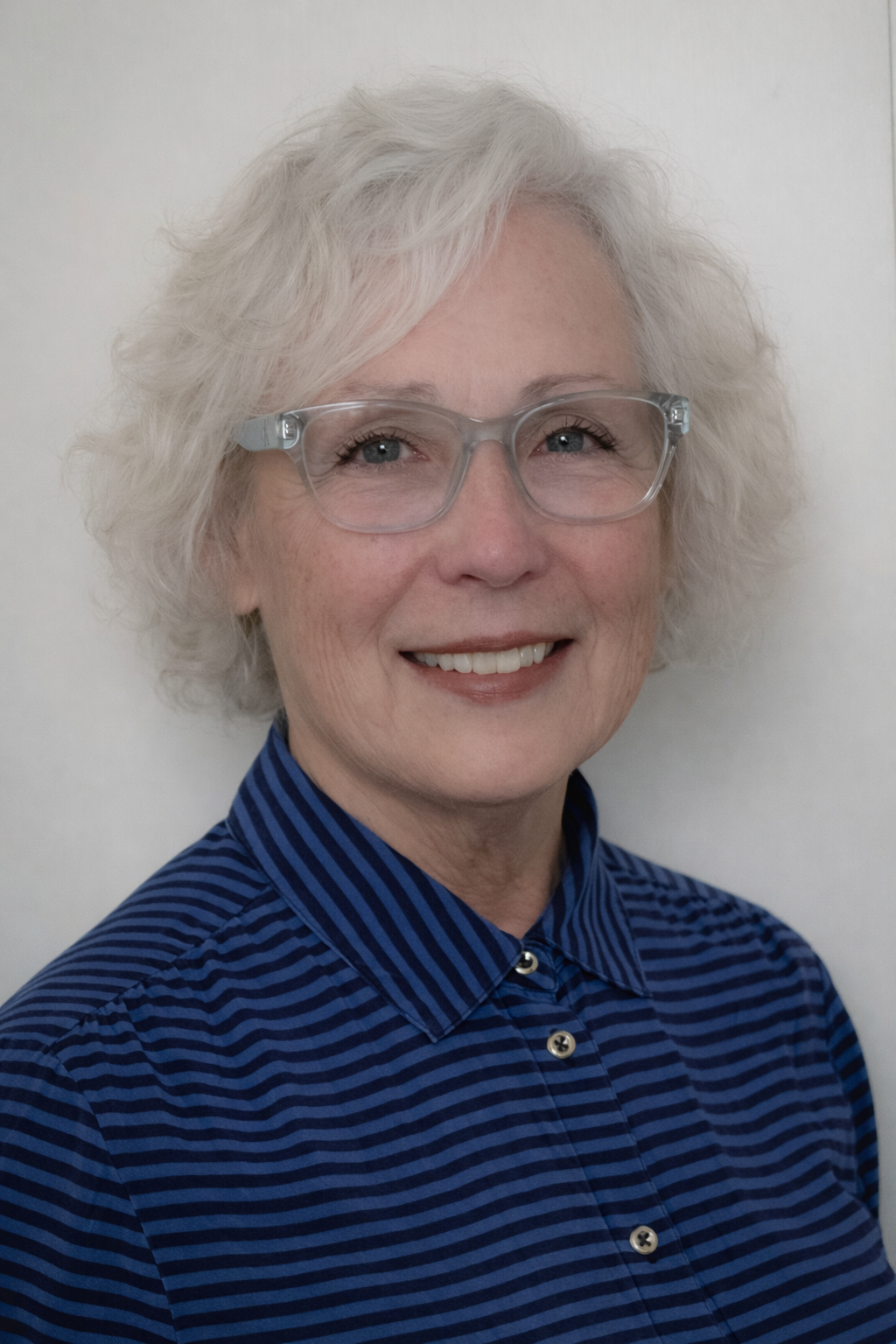
Virginia Hedges
M.A., CCC-SLP
Speech-Language Pathologist
No one should feel stuck, frustrated, or unheard. I’ve spent my career making sure they don’t have to.
Who do you help?
How lucky I have been to help individuals navigate difficulty communicating! Whether children or adults, the inability to effectively understand and convey messages is frustrating and isolating. I absolutely believe that no one needs to stay in that position. Knowledge is power. It is great to witness resilience emerge and abilities develop when together we work the techniques, strategies, and guided practice. Changing how you speak, listen, think, write or understand is no easy task! I appreciate how hard they work to grow
How do you work?
I like to start my sessions listening to the family/client’s wins and pain points since our last meeting. I meet “what’s going on” in real life with empathy and knowledge. During therapy, I work to build both client skills, and support systems, be it technology (high or low tech) or people. I love to have significant others in the session, to ask questions, practice techniques, and witness success! This collaboration can really flow when the client/family’s priorities lead the focus of therapy. I have often said the client does the real work, while I set up the correct practice—challenging, but not overwhelming. And it should be relevant to the client’s interests (i.e. fun). Equally important, it is my job to provide feedback on progress, each session, with either objective data, and/or specific examples of behaviors they used successfully. The session usually ends by identifying some opportunity to practice emerging skills outside of our time together, at a level the client can feel successful much, but not all of the time.
A little about you
I strive to be a happy person. Happiness research shows that people need to feel life has purpose, and they have options in life (agency). I choose to continue working as a speech-language pathologist because I get to know awesome people, it helps us connect to one another, and it makes me happy.
Fun Fact
I love traveling to new places – one of the best ways I can to learn something new about people and the world.